 |
The perception of the city transcends the mere physiological aspect of the human organism’s reaction to stimuli received by its sensory organs. Seeing or hearing, for example, becomes only the initial link in a chain of mental processes that connect human behavior with understanding, memory, and feelings (Salas, 1998: 28). In this context, it is possible to recognize that the perception of the city and its experiences is a delicate mediating operation between feeling, remembering, and understanding. This process is crucial in shaping the individual consciousness of the perceiver and their relationship with what is perceived. In particular, memory is an extremely important factor in this complex process. |
 |
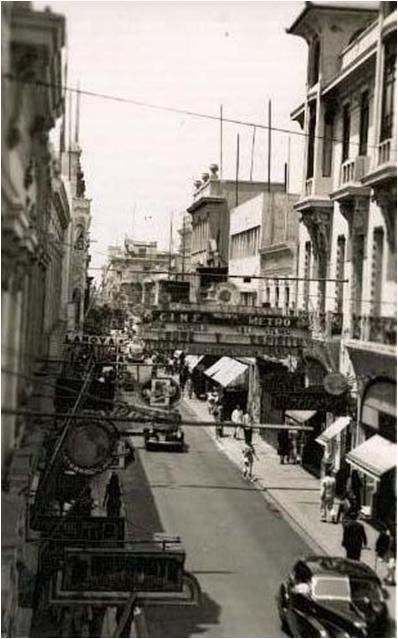
This essay presents a personal perspective on how the identity of the Latin American city has been created and how its inhabitants perceive it. A patchwork quilt of paradigms, expressed materially in different formal and spatial fragments, aggregated at various moments in its history, would be an apt metaphor for its essence. |
 |
Humanity is currently experiencing an intense period of rapid development, which not only creates new forms of relationships between institutions and individuals but also gives rise to new institutions and the accelerated growth of associations between individuals with shared interests. Human associations for the purpose of achieving a specific goal are as old as humanity itself, so it shouldn’t surprise us that increased communication capabilities are leading to a greater density of the global institutional fabric. |
 |
This paper undertakes an analysis and deconstruction of a diverse range of ideas concerning urban landscapes that have evolved over the past 150 years. It explores the insights and professional contributions of key authors like Camilo Sitte, Gordon Cullen, Kevin Lynch, Rob, and Leon Krier. These thinkers articulated prescriptive approaches that shaped guidelines, directives, and recommendations for urban design. The study aims to provide a concise historical overview of urban thought while critically assessing its potential influences on and implications for the contemporary sustainability paradigms of cities today.
EL PENSAMIENTO LATINOAMERICANO SOBRE EL PAISAJE DE LA CIUDAD |